

Meet the Featured Residents of Capturing the Spirit of Oakland 2026
Thomas Askew (1847 - 1914)
Burial Location: African American Burial Grounds – Block 36, Lot 3, Grave 8
Thomas E. Askew was one of Atlanta’s earliest and most accomplished African American photographers. He was a visual chronicler whose portraits helped define Black identity in the decades after Emancipation. Born around 1847, Askew lived through slavery and Reconstruction before establishing himself as a professional photographer in a segregated and rapidly changing city.
Askew began his career in the 1880s as a printer at Atlanta’s C.W. Motes Studio. By the 1890s, he ran his own studio, photographing Atlanta’s growing Black middle class, students and faculty at Atlanta University and Spelman College, and his own family. His portraits emphasized dignity, education, and self-possession, challenging racist stereotypes.
In 1900, Askew gained international recognition when his photographs appeared in W.E.B. Du Bois’s Exhibit of American Negroes at the Paris Exposition. Though photographers were not initially credited, later scholars identified Askew as a major contributor to albums including Types of American Negroes and Negro Life in Georgia. The images supported Du Bois’s effort to portray Black Americans “without apology or gloss.”
Askew died in 1914 and was buried in Oakland Cemetery’s African American Grounds. The Great Atlanta Fire of 1917 destroyed his former home and studio, along with much of his archive.
View Thomas Askew’s work here.
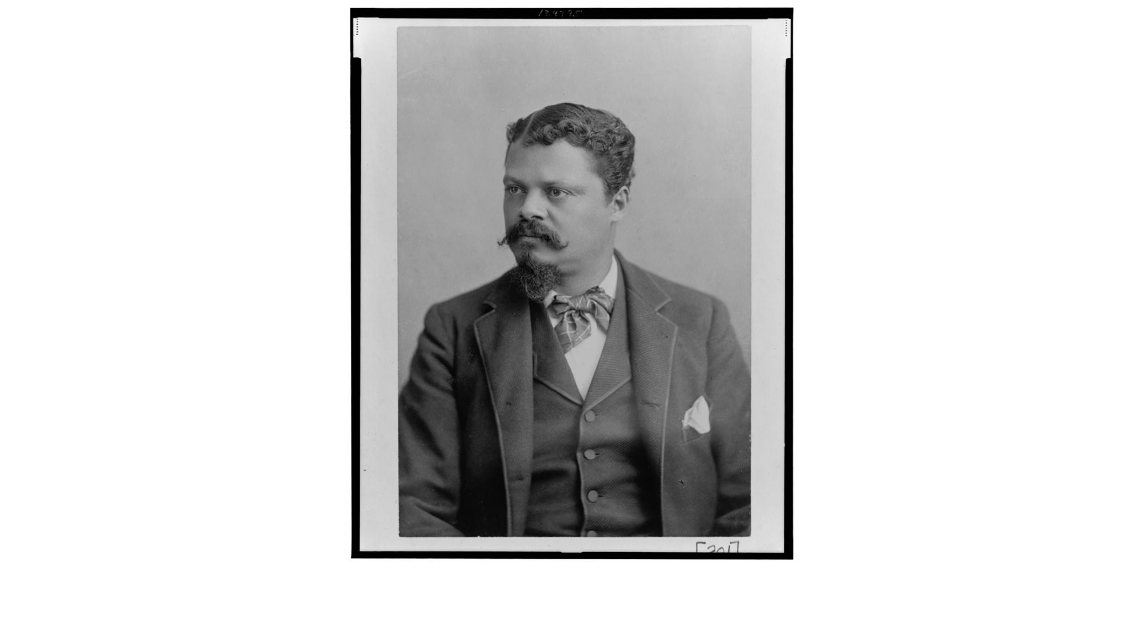
Du Bois, W. E. B. , Collector, Askew, Thomas E., 1850?-1914, photographer. Thomas E. Askew, self-portrait. Georgia, 1899. [or 1900] Photograph. https://www.loc.gov/item/99472217/.
Isabella Beale (1848 - 1923)
Burial Location: Block 66, Lot 5, Grave 2
Isabella Beale was a Black entrepreneur, skilled tailor, and property owner who built an independent economic life in Atlanta during the Reconstruction era. She began her career working in the tailor shop of her uncle, William Finch, one of Atlanta’s first Black city councilmen and a prominent Black businessman.
Working in Finch’s shop gave Beale valuable experience in the tailoring trade and placed her within Atlanta’s growing network of Black-owned businesses. She eventually established a tailoring business of her own, making the important transition from employee to entrepreneur. Additionally, Beale purchased property and constructed two houses in Atlanta, which provided her with a steady source of rental income.
Isabella was married to Courtney Beale, a successful entrepreneur whose business interests extended across Atlanta and Athens. Courtney owned real estate and operated several businesses, including a livery stable, shoe shop, delivery service, grocery store, and boarding house. In 1874, the Watchman newspaper of Boston reported that Courtney Beale was the wealthiest Black man in Georgia.
Nellie Calhoun (1810-1897)
Burial Location: African American Burial Grounds – Block 15, Lot 3, Grave 5
Nellie Calhoun was born into slavery around 1810, probably in North Carolina, and was later enslaved by Dr. Andrew Bonaparte Calhoun of Newnan, Georgia. She worked as a household cook and, in the 1850s, was brought with the Calhoun family to Atlanta. Her children, Moses and Sinai Catherine “Siny,” were also enslaved in the household. Moses worked as a butler and learned to read and write, skills he secretly passed on to his mother and sister despite Georgia laws prohibiting the education of enslaved people.
After emancipation, Nellie and her children established lives of their own in Atlanta. In 1870, Andrew Calhoun deeded property in Newnan to Nellie, Siny, and Siny’s daughter Catherine. Rather than remain in Newnan, however, the family moved into Atlanta, where Nellie worked as a laundress, Siny as a hairdresser, and Moses operated a café and later prospered as a grocer and restaurant owner.
Nellie’s legacy lives through her descendants and the family history they preserved. Her daughter Siny became the mother of Catherine Felix Webb, whose descendants include the pioneering pediatrician Dr. Helen Nash, while perhaps Nellie's most famous descendant is entertainer Lena Horne. Nellie’s burial at Oakland Cemetery represents the origin of five generations of this Atlanta family laid to rest here.
Dr. Helen Elizabeth Nash (1921 - 2012)
Burial Location: African American Burial Grounds - Section 18, Block 65, Lot 4
Dr. Helen Elizabeth Nash was a pioneering African American pediatrician, educator, and children’s advocate. Born in Atlanta in 1921, she earned her medical degree from Meharry Medical College in 1945 and moved to St. Louis, where she completed her residency at Homer G. Phillips Hospital. In 1949, she opened a private pediatric practice and became one of the first African American physicians appointed to the Washington University School of Medicine faculty. She later became the first African American physician on the staff of St. Louis Children’s Hospital.
Throughout her career, Dr. Nash advocated for children, racial equality, and greater access to health care. She taught and mentored generations of medical professionals and served on numerous civic and cultural boards. She also established a scholarship to support students pursuing higher education.
Beyond medicine, Nash documented her family’s life and travels through home movies. Her films, preserved by the University of Chicago’s South Side Home Movie Project, capture family celebrations, everyday life, and international travels from the 1950s through the 1970s. Dr. Nash died in 2013 at age 91, leaving a legacy as a pioneering physician, mentor, advocate, and community leader.
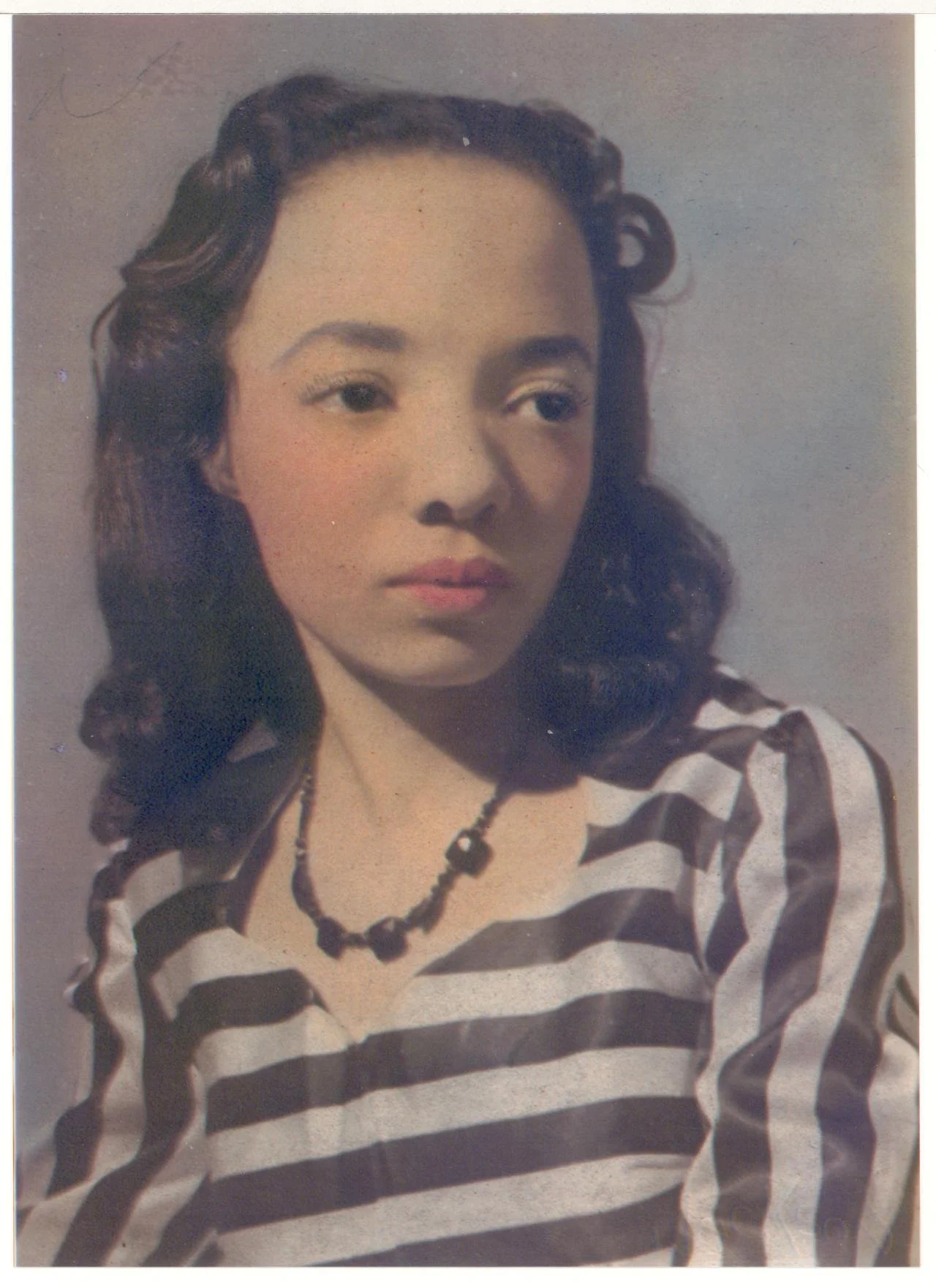
Bernard Becker Medical Library Archives, Washington University in St. Louis.
Harrison Coles (1835 - 1883)
Burial Location: Block 69, Lot 2, Grave 1
Harrison Coles was born enslaved around 1834–1835 on the Coles Hill plantation in Pittsylvania County, Virginia. After emancipation, Harrison moved to Georgia, arriving in Atlanta around 1869 or 1870. He was married to Dolly Withers and had at least eight children.
Coles worked in Atlanta as a skilled tradesman, primarily as an undertaker, contractor, and builder. In 1882, he won the contract with the city of Atlanta to make coffins for the people who were buried by the City in Oakland’s Potter's Field. Coles was paid .85 cents for each coffin, which was typically made from poplar wood and painted black. For an additional .75 cents, Coles would transport the coffin to the cemetery. In 1892, he was stricken with paralysis while working in his shop and died several days later.
Potter's Field was the designated burial ground for those who could not afford burial costs. Among the estimated 7,500 persons interred in this section, many are some of Atlanta’s poorest citizens, indigents, and unknown persons of various races and religions.
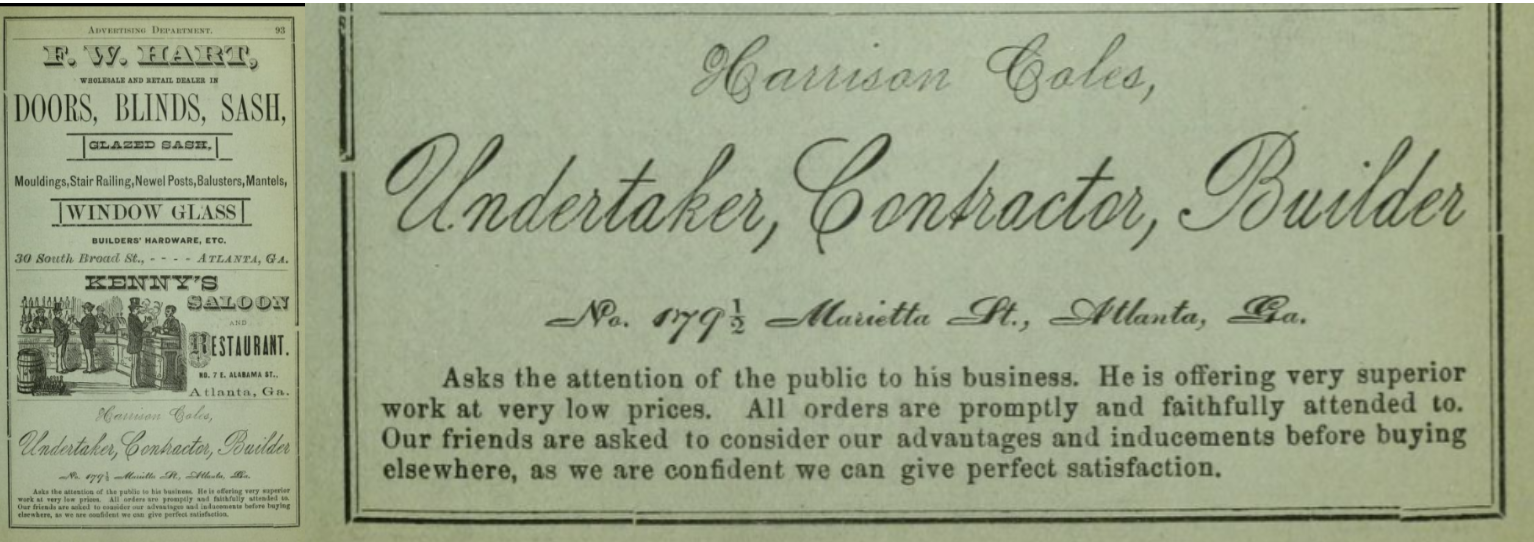
Harrison Coles, Undertaker, Contractor, Builder advertisement, page 93 Atlanta City Directory, 1878.
Franklin Garrett (1906-2000)
Burial Location: Section 1, East of Watch House, Grave 3B
Franklin Miller Garrett was Atlanta’s most devoted chronicler and, in 1974, was named the city’s “Official Historian.” Born in Milwaukee in 1906, he moved to Atlanta in 1914 and soon immersed himself in the city’s civic and historical life. He joined the Atlanta Historical Society in 1927 and later served as its president. After a 28-year career as a historian for the Coca-Cola Company, he devoted himself full-time to preserving and documenting Atlanta’s history.
In the 1930s, Garrett bicycled throughout the region, transcribing records from cemeteries within 30 miles of downtown Atlanta. He used these records, along with archival research and interviews, to document Atlanta’s early settlers and the city’s development. His decades of research culminated in the monumental multi-volume Atlanta and Environs: A Chronicle of Its People and Events, which remains an essential resource for understanding Atlanta’s history.
Garrett was also deeply connected to historic Oakland Cemetery and was a founding member of the Historic Oakland Foundation. His lifelong dedication to preserving Atlanta’s past left an extraordinary legacy of scholarship. He died in 2000, but his work continues to guide historians, researchers, and anyone seeking to understand the people and places that shaped Atlanta.
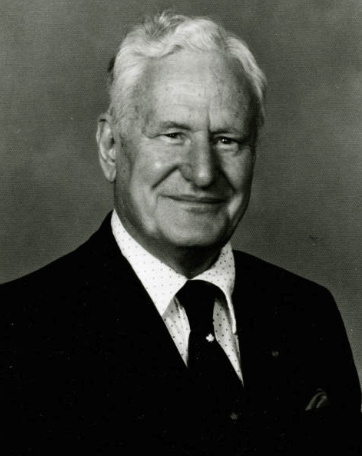
Portrait of Atlanta historian Franklin Garrett. 1978. Atlanta History Photograph Collection. VIS 170.4242.001. Atlanta History Center. Atlanta, Georgia.
Mary Neal (1844-1894)
Burial Location: Section 8, Lot 349, Grave 2
Mary “Mollie” Cash Neal was born in Louisiana to Patrick Cash and Elizabeth Jane Gambill. She married Thomas Benton Neal in 1866, and the couple eventually moved to Atlanta, where Thomas became a prominent businessman and banker. Their family was active in Atlanta’s social and business circles, and their elegant new home on Washington Street became part of the city’s emerging upper-class community.
Mollie’s greatest sorrow was the death of her daughter, Mary Elizabeth, on June 17, 1889, at just 22 years old. Mary Lizzie, as she was known, was the oldest of Mollie’s children, six of whom did not survive infancy. The young woman had suffered from rheumatism and what contemporary accounts described as a fatal “paralysis of the heart.” Mollie never fully recovered from the loss and, according to her obituary, remained an invalid for the next five years. She died in October 1894.
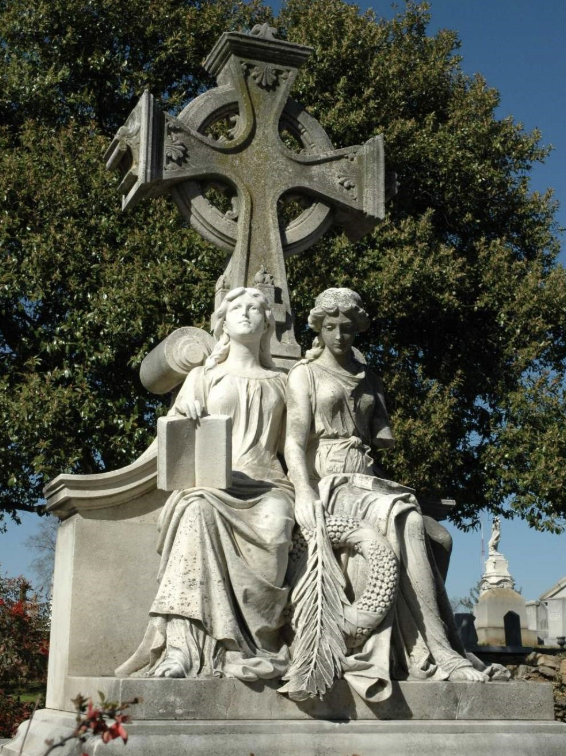
Molliey and Mary Lizzie are memorialized together in one of Oakland Cemetery’s most striking monuments. The neoclassical monument depicts the mother and daughter seated beneath a Celtic cross, dressed in flowing classical robes. Its symbolism speaks directly to mourning and faith: a wreath represents eternity, a palm branch spiritual victory over death, and the open and closed books suggest knowledge gained on earth and the mysteries of the afterlife.
Emanual Rich (1849-1897)
Burial Location: Section 8, Lot 349, Grave 2
Born in Hungary in 1849, Emanuel immigrated to Atlanta with his family and joined his brothers in founding M. Rich & Brothers in 1867. Emanuel married Bertha Sartorius of Frankfurt, Germany. They had one son, Walter, and a daughter, Ruybe Cecile.
While Morris set the company’s early direction, Emanuel became instrumental in its expansion, operations, and reputation for exceptional customer service. He played a vital role in the store’s development and long-term success.
Tragically, Emanuel died by suicide in 1897. His son, Walter, would carry on the family business, serving in various capacities for over 28 years.
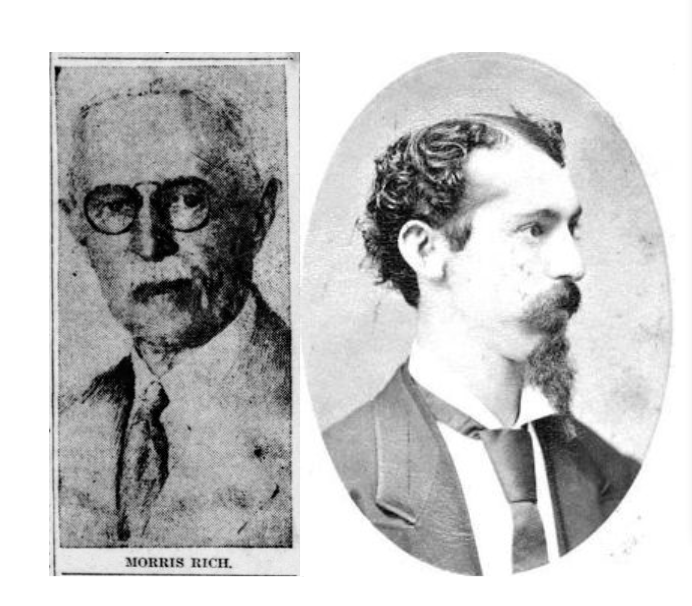
Morris Rich (Left)
Emmanuel Rich (Right)
Morris Rich (1849-1897)
Burial Location: Jewish Hill, Section 17, Block 277, Lot 69, Grave 1
Morris Rich founded M. Rich & Brothers, the dry goods store that grew into Rich’s, one of Atlanta’s most influential and beloved department stores. Born in Hungary in 1847, Rich immigrated to the United States as a young man and settled in Atlanta shortly after the Civil War. Morris married Maud Goldberg of Madison, Georgia, in 1879. They had two daughters, Rosalind and Valerie.
In 1867, he opened a small shop on Whitehall Street with his brothers Emanuel and Daniel, laying the foundation for a business that would become central to the city’s commercial and civic life. Under Morris’s leadership, Rich’s expanded quickly and earned a reputation for attentive customer service and community engagement. Morris served as company president until 1901, guiding the store through its formative decades.
Meet the Cast
-
Marc Collins is a child of God and an artivist. Art and activism is important to him, and the stories he strives to tell are those that free humanity in colorful ways. Honored to return for a fourth year at Oakland, Marc is a face you will not forget.
Kurt Reynolds is an actor, voice actor, and proud Atlanta native returning to honor the legacy of Thomas Askew. He is passionate about community service, mutual aid, and the arts. Kurt is a graduate of Oglethorpe University (Go Petrels!) class of 2015. He is humbled to contribute to Capturing the Spirit and highlight the rich history of Atlanta’s trailblazers, activists, scholars, and inventors.
Ethan Weathersbee is originally from SC but has found a home here in Atlanta after coming to study theatre at Oglethorpe University (BFA). He has spent most of his professional career freelancing as a master electrician, technical director, and general theatre technician. Ethan has worked in most venues in the city including but not limited to The Alliance, Synchonicity Theatre, Horizon Theater, and Theatrical Outfit.
Matthew William Withers is an American actor known for roles in Cobra Kai Season 5 (as a lifeguard), The Guardians of the Galaxy Holiday Special (as Handsome Man), Endless Love, Hillbilly Elegy, and Naomi.
-
Cece Campbell is an actress alum to Oglethorpe University. Some of her prominent works from this past year include premiering Young John Lewis as Mamie Till, Gimme Please with the Alliance Theatre, and several children’s performances with the Atlanta Symphony Orchestra. She’s had the pleasure of collaborating with several theatres around the city and hopes to continue with many more!
Chelcy Cutwright is an Atlanta based actor/singer/teaching artist. Chelcy is thrilled to be back for her fourth year of Capturing the Spirit! Favorite Atlanta theatre credits include Amelia Sedley in Vanity Fair (Georgia Ensemble Theatre), Suzanne in Amelie (Horizon Theatre), Cindy Lou in Winter Wonderettes (Art Station), and Mary Poppins (Aurora Theatre). For updates follow Chelcy on Instagram @chelcycut.
Meagan Dilworth (she/her) is an actor, educator, producer, and choreographer/creative director. She has performed in theatre across Atlanta, Boston, Chicago, and Rhode Island. She is excited to be a part of Oakland's Capturing the Spirit this year!
Whitney Nelson is an actor, director, and stage manager; this is her third time performing in Capturing the Spirit of Oakland. Nelson's acting credits include Flex, Heathers, Intimate Apparel, Lizzie, Push for Help, The Comedy of Errors, The Winter’s Tale, The Two Noble Kinsmen, Much Ado About Nothing, and A Midsummer Night's Dream. She can be seen on film and television in Black Lightning, Stargirl, Legacies, The Walking Dead, Sweet Magnolias, and Black Panther 2.
-
Koko Buie
Mama Koku is a master storyteller with over 25 years of professional experience. A staple across Metro Atlanta, she regularly performs at major venues including the Atlanta Botanical Garden, Atlanta History Center, and the Center for Civil and Human Rights. A published children's author and dedicated teaching artist, Mama Koku brings history, culture, and pure joy to audiences of all ages.
LaDoris Bias-Davis is currently an Early Childhood Educator/Professional Storyteller/Performing Artist, BA, MS. Her first stage appearance was as lead the in her first grade production of "Henny Penny." Bias-Davis performs historical portraits and facilitates African American History tours for Oakland, participates in historic programs for South View Cemetery, Dekalb History Center, Atlanta History Center, schools and libraries.
Mia Kristin Smith, returning for her 6th year, is an actress, producer and director whose work has previously been named one of Atlanta’s Best Bets. Smith, a Suzi-nominated actor, is on Creative Loafing’s Top Ten Things to Do and Burnaway Magazine’s Top Five Things to Do. Smith is a native of New Orleans now living in Atlanta.
Ursula Renee Spratling, speaking under the name Auntie Renee, is an award winning, captivating storyteller, who puts her creative skills to use by performing storytelling and motivational speaking. She has performed in front of audiences with thousands of people. She is a member of Kuumba Storytellers of Georgia, Toastmasters International, and does monthly workshops. Originally from Baton Rouge, Louisiana, her stories sometimes include a Southern flare.
-
John Doyle is a storyteller, playwright, and teaching artist who blends theatre, education, and community engagement. He has created dynamic one-man shows for schools and has worked with organizations such as Alliance Theatre, Kaiser Permanente Educational Theatre, and Georgia Ensemble Theatre. Passionate about empowering youth, John uses the arts to inspire creativity, reflection, and self-expression.
Chetter Galloway graduated with a BA in History from Virginia Tech, and became a Living History Interpreter at the Colonial Williamsburg Foundation in Williamsburg, VA. That’s where he was formally introduced to the world of storytelling. Since then, he has immersed himself in the craft and holds an MA in Storytelling from East Tennessee State University.
Justin Hall is a patron of the arts in Atlanta with a deep love of stage and film. He works at HBCUGO, helping to bring HBCU stories to light weekly, and is the cofounder of HouseAct productions, bringing new works and independent art to life. This is his 5th year at Oakland, where he loves spending the season telling Atlanta's history to anyone willing to hear.
Jason C. Louder, an acclaimed actor, teacher, coach, and producer from Atlanta, is known for roles in BMF, Black Lightning, Wu-Tang: An American Saga, NCIS: Los Angeles, The Wonder Years, and Simran. He’s performed in 30+ stage productions and inspired audiences as “Babatunde the Griot.” Whether acting or producing, Jason is dedicated to telling bold, truth-filled stories that move, challenge, and inspire.
-
David Moore served in the role of Executive Director of the Historic Oakland Foundation for 15 years before assuming the role of Director Emeritus in 2021. David has performed in the Capturing the Spirit of Oakland Halloween tours since its inception in 2006, portraying such residents as Bobby Jones, Jasper “The Goat Man” Franklin, and Fr. Thomas O’Reily. David attended Vanderbilt University and the Woodrow Wilson School of Law in Atlanta. David and his wife, Mary, have two adult daughters and live in Marietta, Ga.
Ren Davis and his wife, Helen, have been volunteers at Oakland since 2007. This year marks Ren's 18th portraying one of the cemetery's residents for Halloween. In addition, Helen and Ren are tour guides and are authors of the award-winning book, Atlanta's Oakland Cemetery: An Illustrated History and Guide, published by the University of Georgia Press.
Steve Paro is a longtime Historic Oakland Foundation volunteer and former trustee and board chair. A Reynoldstown resident just down the road, he’s returning for the 20th anniversary of Capturing the Spirit of Oakland. A former technology founder and executive, Steve now spends much of his time traveling and boating, while remaining closely connected to the neighborhood and the Foundation.
Phil Richerson has a Military background and experience in various business fields. He has appeared at Oakland events over the last six years, portraying several residents. His love for Atlanta's history is obvious, and he would love to see you on one of his tours.
-
Rachel Clarkin has been a volunteer and actor at Oakland Cemetery for 16 years. She is thrilled to be asked back regularly to portray Oakland’s residents. Clarkin recently closed her business as an independent banking industry recruiter and now restores and refinishes furniture. She thanks for your support of Oakland!
Caroline Gammage is honored to be back for her third year at Capturing the Spirit of Oakland. Adding this to her resume along with her Actor’s Express apprenticeship with her BA in Theatre at Oglethorpe has been a wonderful experience. She would like to thank her friends and family for their continued support in her art!
Maital Gottfried is delighted to be returning to Oakland for the third year to bring another resident to life. She holds a BA in Theatre from Oglethorpe University, and an MLit in Playwriting and Dramaturgy from the University of Glasgow. When not performing at Oakland, Maital works in arts programming. She warmly welcomes you to enjoy the Spirit of Oakland experience!
Ruth Middleton began volunteering for Historic Oakland Foundation in 2001 and for Capturing the Spirit of Oakland in 2007. She has portrayed an Oakland resident each year since 2009. During two of those years, portraying two different residents, twenty-one in all. She also has served as a Capturing the Spirit tour guide, line monitor, greeter, and on the logistics committee.
-
Josie Bailey is a Master Storyteller that has been transporting audiences to other places and times for more than thirty years through fables, folktales, historic stories and more. Allow Josie to take your audience on a voyage of engaging fun and laughter! www.josiebailey.com
Antonia LaChé is excited to tell this story! Select performance credits include Atlanta: Midsummer Night's Dream ( Georgia ensemble), Troilus and Cressida (ATL Shakespeare Tavern), Mlima's Tale ( 7 Stages), Crossroads (Actor's Express);Macbeth (Synchronicity Theatre); Romeo & Juliet (Atlanta Shakespeare Company); Regional: The Colored Museum, Stop Kiss, A Flea In Her Ear, Clybourne Park, Dracula, Underpants (Hilberry Theatre); National Players Tour 65: Macbeth, Comedy of Errors, Odyssey (Olney Theatre Center). Education: MFA in Acting from Wayne State University.
Deborah Strahorn is a professional storyteller with Kuumba Storytellers of Georgia, returning Capturing the Spirit of Oakland actor, and Oakland volunteer. Strahorn is the founder and director of Word of Mouth Stories N3D, LLC. Word Of Mouth was founded in 2015 to advance the social and historical value of storytelling throughout the community.
Adetinpo Thomas is an actress and award winning filmmaker. On television, she has had recurring roles on shows like the "Black Lightning," and "Hawkeye." Her film credits include "Devotion” and the musical adaptation of "The Color Purple." As a filmmaker, Adetinpo has produced and/or created several projects, including "Clean Slate" and "Sister Salad Days." She is also an adjunct professor at GSU.
-
Mickey Cole Jr. is a born and raised Atlanta local. He is a film actor and loves board games. Mickey can be seen in Will Trent, The Resident, Swarm, and Queen America as well as numerous commercials across the southeast. Mickey also works at The Escape Game and loves sharing his excitement about escape rooms with others!
Robert Hindsman (he/him/his) is an Atlanta-based actor, teaching artist, and arts administrator. He is the Head of Adult Programs at Alliance Theatre, creating educational experiences that connect artists and communities. You can find him on stages across Atlanta or digging away in his garden.
Elliott Folds is an Atlanta-based dramaturg, performer, and educator. He has worked with multiple theatre companies in these capacities, including the Alliance Theatre, Actor's Express, ART Station, Atlanta Shakespeare Company, Aurora Theatre, Out Front Theatre Company, Stage Door Theatre, Synchronicity Theatre, Theatrical Outfit, and Woodstock Arts. He is currently a professor of theatre at Clark Atlanta University.
Blake Fountain (he/him) is an Atlanta based actor, singer, playwright, and drag performer. Some of his credits include Les Misérables at City Springs Theatre Company, The Underground Rep at the Alliance Theatre, The Producers at City Springs Theatre Company, and Hairspray at Out Front Theatre. He has toured nationally as an actor and as his alter ego, Tugboat. IG: @tugboatthequeen
-
Kyle Brumley is an ATL based actor/director. Directing: 4,000 Miles, The
Diviners, A New Brain (Dramatech), The Rock & The Hard Place (Essential Theatre), Cabaret (Oglethorpe) and Why Shakespeare? (CSC). Acting: The Tempest, Julius Caesar, Antony and Cleopatra (GA Shakes), Equus, The Whale, An Octoroon (Actor’s Express), Camelot, My Fair Lady (GET), The Navigator (7 Stages), The Book of Will (Theatrical Outfit), The Curious Incident...(The Hippodrome). www.kylebrumley.com
Trevor Goble is excited to “Capture the Spirit” of Oakland Cemetery. THEATRE: A Year with Frog and Toad (OnStage Atlanta), The Wake (Shakespeare's Tavern), Edward Foote (Alliance Theater). VOICEOVER: Elf Pets: Reindeer Rescue (Netflix), Tribulation (Audible), Tangerine (HMH). Trevor is a co-creator of Ask Deer Abby, where he plays a bunny producer named Hopper. Check out the show at www.youtube.com/@askdeerabby.
Tyler Krug has dedicated himself to Oakland through tours, gardening, and preservation since 2021. Now, he’s thrilled to make his Capturing the Spirit of Oakland acting debut! Inspired by the cemetery's rich history, Tyler loves nurturing its vibrant community. When not volunteering, he performs across Atlanta in three local bands and the Emory University choir. Catch him on another stage in the future!
Rick Perera is excited to act in his third Capturing the Spirit of Oakland. He has performed at various community theaters around Atlanta over the years. Rick is an enthusiastic supporter of historic preservation at Oakland – and across the street in colorful Cabbagetown, where he lives. Come visit and learn more about Atlanta’s fascinating past!
-
Matt Huff (Director) is an Associate Professor and the Director of the Theatre Program at Oglethorpe University in Atlanta. At Oglethorpe and professionally, Matt has directed a range of productions from musicals to Shakespeare. He recently returned from Juneau, AK where he directed Much Ado About Nothing for Theatre Alaska. This is Matt's twelfth year directing Capturing the Spirit of Oakland. It remains one of his favorite directing gigs. Matt received his M.F.A. in Directing from The University of Texas at Austin.
Linda Ferree (Researcher) marks her 13th year as a researcher for CSO. Having long since exhausted family genealogy, she enjoys researching friends and complete strangers, including Oakland residents. She has taught genealogy classes at Oakland, gives occasional tours, and enjoys being in character at CSO, along with her husband Jim, whom you may know better as Judge Clark Howell.
Dr. D L Henderson (Researcher) is a historian and genealogist and serves on Oakland’s Board of Advisors. Her research and writing explore the intersections of history, memory, and culture in Black America. She is the author of South-View: An African American City of the Dead and Perpetual Segregation: Chronicling the Black Side of Atlanta’s Oakland Cemetery.
Margaret Baldwin (Playwright) is a playwright, educator, and native Atlantan whose plays and ensemble works have been produced throughout the US and abroad. Margaret teaches writing and ensemble theatre-making at Kennesaw State University, where she is a senior lecturer in the Department of Theatre and Performance Studies. She earned her MFA from the Iowa Playwrights Workshop.
Justin Haynes (Playwright) is a fiction writer based in Fulton County. His writing has been supported by various residencies and fellowships including the Nicholas Jenkins Barnett fellowship at Emory University, the Fine Arts Work Center, and the Tin House summer workshop among others. His debut novel, Ibis, was published in February 2025. He teaches English and creative writing at Oglethorpe University.
Lee Osorio (Playwright) is an Atlanta-based actor and playwright. His plays have been developed through the Alliance Theatre's Reiser Atlanta Artists Lab, the Alabama Shakespeare Southern Writers Festival, Working Title Playwrights, Theatrical Outfit, and Art on the Beltline. His plays include Prisontown (World Premiere-Savannah Rep, 2024), A Third Way (World Premiere-Actor's Express, 2024), Public Wickedness, and Faith.
Dana Stringer (Playwright) is an Atlanta-based playwright, poet, teaching artist, and writing instructor. She serves as an associate artist at Out of Hand Theater with over twelve commissioned works. Additionally, she is a Cave Canem Fellow. Her poetry appears in various anthologies as well as literary journals like the African American Review and Obsidian: Literature & Arts in the African Diaspora.
Phillip Cheng (Lighting and Logistics) is a Georgia Tech alumnus and electrical engineer with a career in aerospace, product engineering, and manufacturing. With experience including lighting, power, and circuit design, Phillip lends his skills to support Oakland's special events logistics and lighting teams. As well as his work on Capturing the Spirit, he has designed art and lighting installations for Oakland’s springtime arts event, illumine.
Allen Meredith (Lighting and Logistics) was born in Atlanta but raised all over the Southeast. Allen moved back to Georgia soon after graduating college and has been helping serve Atlanta’s lighting needs ever since. Choosing not to specialize in any one area, he’s enjoyed working on film sets, commercials, concerts, theatre, and live events. The variety keeps it exciting.
Meagan Massa (Costuming and Set Design) has volunteered for the Historic Oakland Foundation since 2023, helping with special events and costuming for Capturing the Spirit. Outside of the cemetery, she's a Kirkwood resident, video producer, and partner in the Atlanta-based production company Chorus Films.
Rebecca Kauffman (Set Design) is the founder and principal of House10, an Atlanta-based interior decorating and styling studio. Drawn to history, vintage pieces, and spaces that tell a story, she creates layered, personality-filled environments rooted in authenticity and character. Her work spans residential interiors, styling, sourcing, and special installations throughout Atlanta.
