
A Talk with Abra Lee, Oakland’s Director of Horticulture
As we prepare to celebrate Juneteenth at Oakland, we spoke to Abra Lee, Historic Oakland Foundation’s Director of Horticulture, to learn more about her approach to garden design in the Historic African American Burial Grounds.
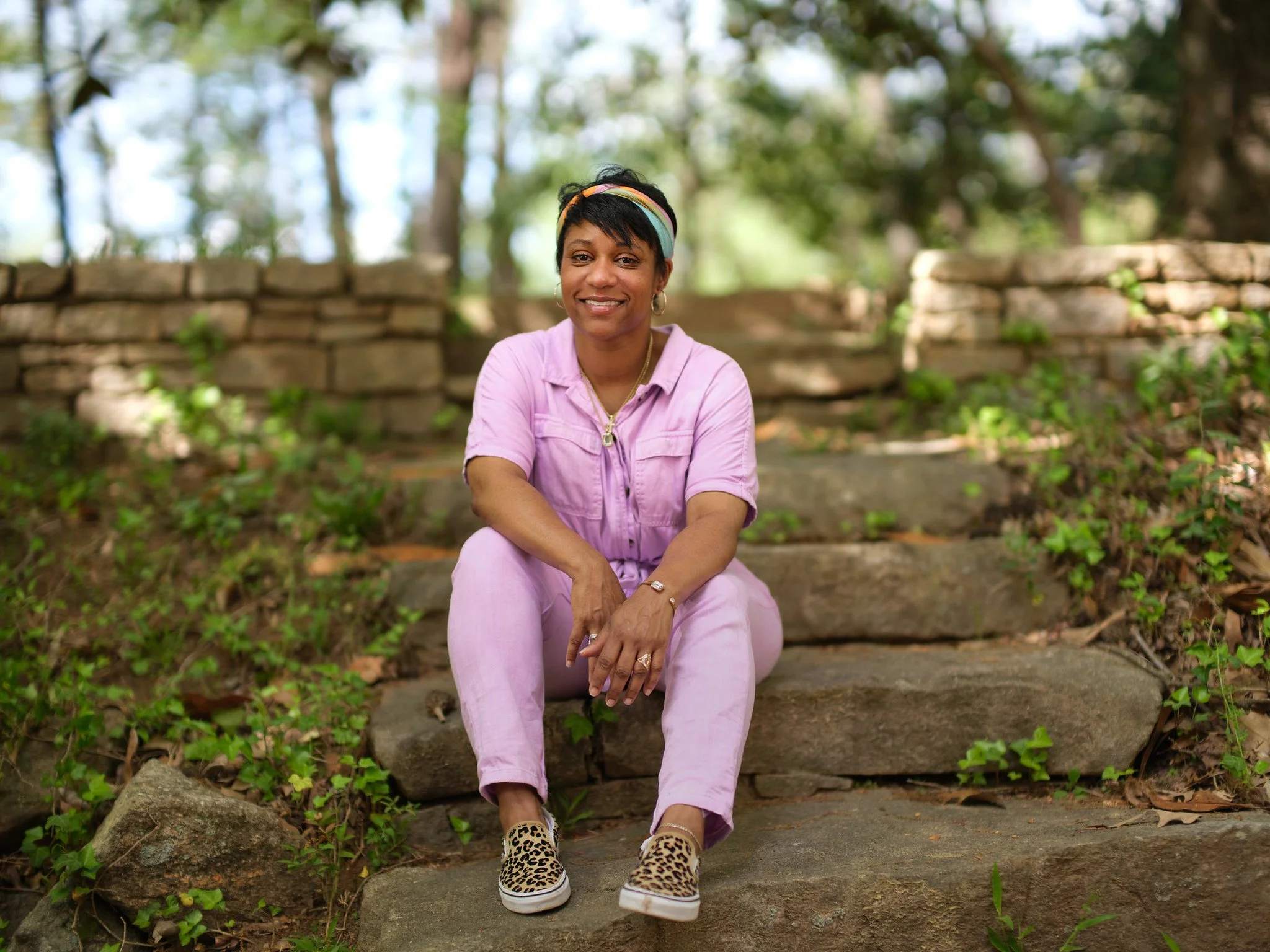
Tell us about the intentionality of how & what you plant in the African American section.
When I first started at Oakland back in January of 2023, Janna Rhoden, Oakland’s Gardens Manager, and I met and talked about her and the Silver Magnolias’ work (featured in Atlanta Magazine’s “25 Ways to Thrive in 2025”) in the historic African American section. The garden was already beautiful and most important, the ladies wanted to make it meaningful. We chose to focus on adding brighter more vivid colors to this garden and use a more “opportunistic” design style for new installations.
This decision came through us referencing the archives of historical texts that document what was planted in gardens in Black communities in the late 1800s and early 20th century. We were intentional in going beyond what would be planted in a cemetery and use plants that Black women gardeners wrote about that brought joy to Black communities. A great example of this are the gladiolas that are in full bloom right now in the African American section. Janna and her team installed these inspired by the book Gladiola Garden, a book of children’s nature poetry written by Effie Lee Newsome, a famed eco-poet and writer of the Harlem Renaissance.
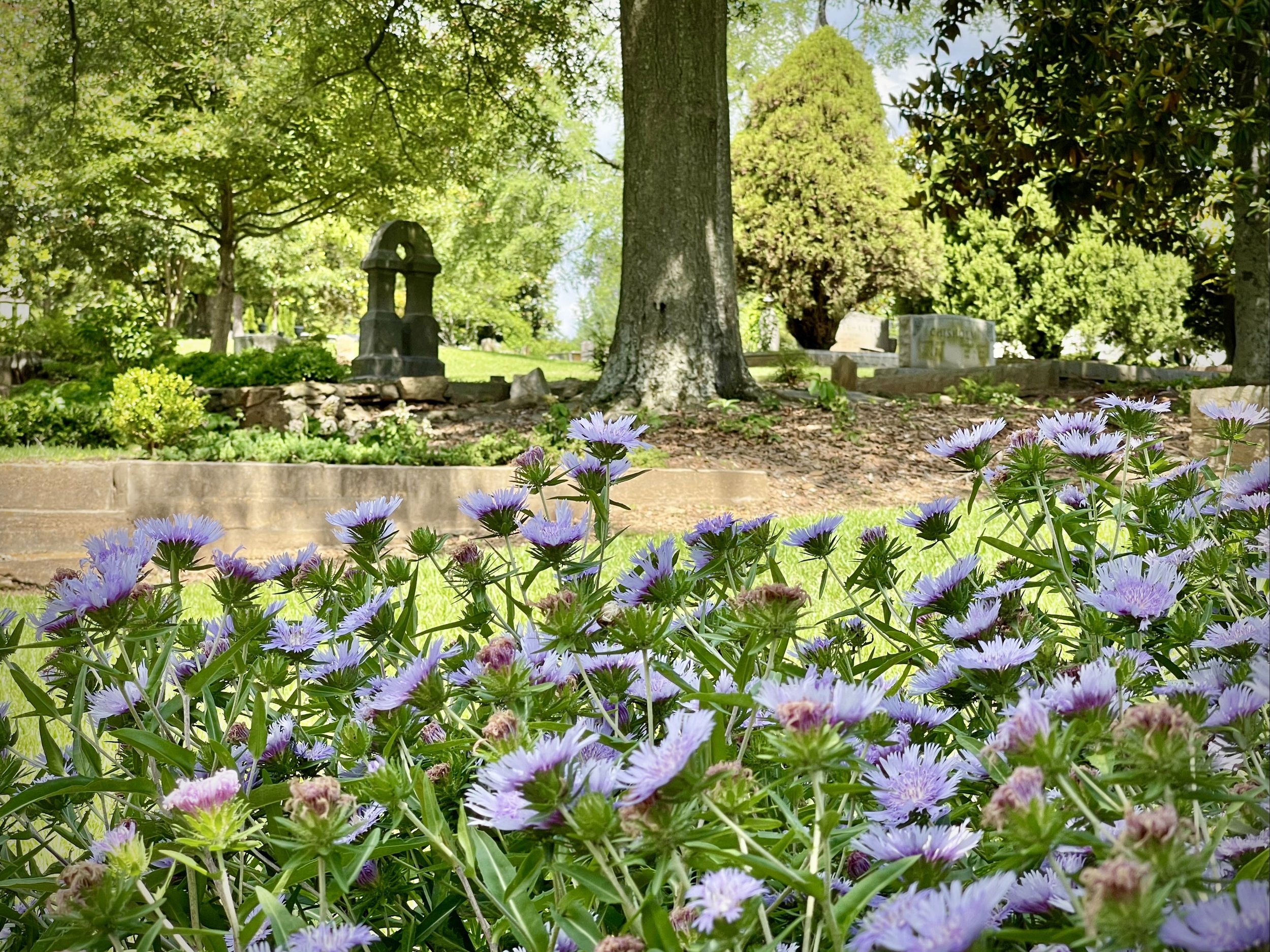
What current or upcoming garden projects are happening that people can see when they visit?
When people visit the African American section in the summertime specifically, they can see the way the bolder color pallete has been introduced to this garden over the past few years by Janna and her team. In contrast areas like the Original Six Acres and the Bell Tower have a lot of “tints” present - meaning colors with the addition of white, pinks, lavenders, and pale yellows, the African American section has more noticeable bright bold colors—oranges, purples, reds, neon greens mixed in with the tints. A “color chaos,” if you wil,l and it isn’t chaos at all. It is very intentional and inspired by descriptions of lively gardens in Black communities over time. Also the Spirit is very present in the historic African American section. Janna will tell you that the ancestors keep the area peaceful and that is real. Not only can you see the beauty of the garden, you can feel it!
Through the lens of gardening, how does your work connect with Juneteenth and celebrating Black liberation, resilience, and culture?
We connect our work in the historic African American section to Juneteenth specifically through the spirit of freedom! Freedom to garden on your own terms, design on your own terms, use color combinations and textures on your own terms without “permission” or “by the book.” Janna and her team right the rules in the African American section and that is exactly what these gardens are about. The Black women that inspired these gardens wrote their own rules and prioritized beauty, which we actively discuss this as a team. Creating on your own terms, in your own style, for your own self. Beauty in nature is liberating and it is necessary as a key component to experience a great quality of life. And we hope people feel that energy when they are in Oakland’s gardens.
Thank you, Abra! To learn more about our work in the Gardens, visit here.
